


Pod Runner
4.354.00 Reviews
App Specs
- Version
- 1.0.7
- Updated On
- License
- Free
- Downloads
- 10,000+
- Developer
- Noman006
- Categories
- Casual
- Platform
- Android
Screenshots
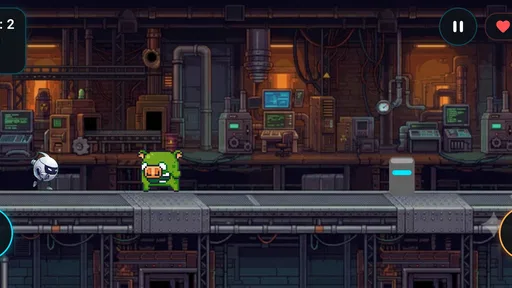
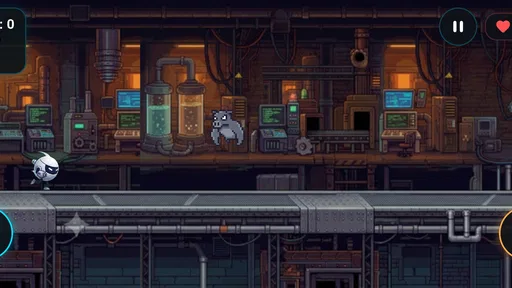
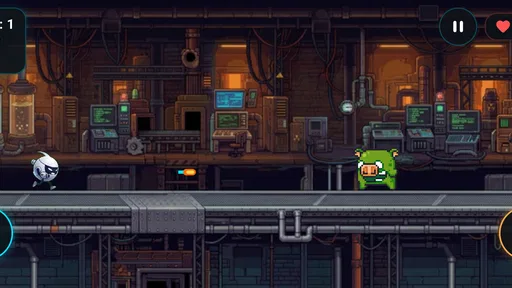
 Analysis by AppCompare
I found Pod Runner easiest to understand when I treated it as a short, focused reflex game rather than a large arcade package. Its entire appeal is built around dodging obstacles, so the basic idea becomes clear almost immediately: watch what is approaching, react at the right moment, and try to keep the run going. That simplicity makes it approachable, but it also means the quality of the moment-to-moment interaction matters much more than the amount of content around it.
Created by Noman006, this casual game is free to start and aimed at Everyone. It has reached over 10 thousand installs and holds a 4.2 average from more than 200 ratings, which suggests that its straightforward format has found an audience without pretending to be something bigger than it is. I see it as a small game for quick sessions, especially when I want a distraction that does not require a complicated tutorial, a long story, or a large commitment.
How Pod Runner feels to use in different situations
I look at how the game’s straightforward obstacle-dodging premise changes with the setting: a quiet pause gives me room to focus, while interruptions can make the same quick challenge feel less forgiving. I’ll also consider the practical difference between playing for a brief reset and trying to use it as background entertainment, before turning to which situations suit it best.
Readability comes from the simple objective
The clearest strength is the uncomplicated goal. A player does not need to learn a collection of menus, character classes, missions, or elaborate rules before understanding what to do. The store summary describes it as a simple dodging obstacle game, and that description matches the central experience without overselling it. I could approach a session with the expectation that the challenge would be based on timing and attention rather than planning a complex strategy.
That clarity is useful for people who prefer games with a low learning curve. Someone picking up the phone for the first time can understand the purpose quickly, while a more experienced casual player can begin testing reactions without spending several minutes reading instructions. In my view, this makes Pod Runner more welcoming than many casual games that appear simple but introduce currencies, upgrade trees, daily tasks, and several layers of navigation before the actual play begins.
The name also gives the game a distinct identity without requiring a long explanation. I did not need to remember a fictional world or a large cast of characters to return to it. The experience is defined by movement, obstacles, and survival, so the mental load stays relatively light. That can be a real advantage for players who want to play while tired or during a short break.
At the same time, simplicity can expose every point of confusion. In a game with only a few core actions, a player quickly notices if an obstacle is difficult to distinguish, if movement feels unpredictable, or if the screen communicates danger too late. Pod Runner benefits from its direct premise, but that premise leaves less room for distracting the player from any unclear visual or timing cue. The game works best when the action is immediately legible.
Worth Reading Before You Choose

Baby Panda World Brings Quick Play to Modern Phones, but Its Game Library Feels Busy

ESPN’s Live Game View Makes Following Close Games Easier

QuizzLand Review: A Good Fit for Short Trivia Breaks, Not Every Player

Basketball Stars: Multiplayer Is Fast, but Can It Recover When Matches Go Wrong?

WEBTOON Turns Phone Updates Into a Better Reading Routine

Link to Windows Runs on Shared Habits, Not Social Feeds
Navigation is better suited to short visits than long browsing
I would not choose this game for people who enjoy exploring extensive menus or customizing every part of a play session. Its value is in getting into the action quickly. That makes navigation feel less intimidating for casual players, including people who are uncomfortable with games that present many choices at once. The smaller the number of decisions before a run, the easier it is to concentrate on the actual obstacle course.
There is also a practical benefit for first-time players: the game’s basic premise gives them a clear reason to return to the same central activity. Instead of wondering which mode to select or what objective matters most, they can focus on improving their own reactions. That personal loop is easier to explain to a friend than a system involving several resources and layered progression.
However, players who rely on highly explicit instructions may want to spend a little time learning the interaction before assuming they understand every detail. A short dodging game can communicate its rules through play, but learning by trial and error is not equally comfortable for everyone. I would begin with a calm first attempt, paying attention to how the game signals an approaching obstacle and how much time it gives me to respond.
Motor demands are concentrated in timing and control
The most important accessibility question is physical: dodging obstacles requires timely input, so players with slower reactions, limited dexterity, tremors, or difficulty maintaining precise control may find the core challenge demanding. This is not a criticism of the concept; it is the natural trade-off of a reflex game. The same directness that makes Pod Runner easy to understand also places the burden on quick and consistent movement.
I would recommend playing with the phone held securely and using the posture that gives the most stable control. A player who grips the device awkwardly may create extra mistakes that feel like gameplay failures even when the real problem is hand position. Short sessions can help too. Rather than trying to force a long run when concentration is fading, I found it more sensible to play in brief attempts and pause when my hands or attention became tired.
This also affects who should skip it. If you are looking for a game that can be played almost entirely through slow decisions, Pod Runner is probably not the right choice. A turn-based puzzle, a word game, or a management title would usually be more forgiving for someone who wants time to consider each move. Pod Runner is a better match for people who enjoy immediate feedback and do not mind repeating attempts after a mistimed response.
One useful approach is to treat early attempts as calibration rather than competition. I would focus first on discovering the rhythm of the obstacles and the amount of movement needed, instead of trying to achieve a personal best immediately. That reduces frustration and helps separate two different problems: not yet understanding the timing, and genuinely struggling with the required motor response.
Visual and sensory comfort deserve attention
A dodging game naturally asks the player to monitor motion, contrast, spacing, and changes in the play area. That can be engaging, but it may also be tiring for people who are sensitive to moving visuals or who have difficulty distinguishing objects against a busy background. Because the challenge depends on noticing danger in time, visual clarity is not a minor detail; it directly affects whether the game feels fair.
I would play in a well-lit room and avoid judging the game during a rushed commute or in a glare-heavy outdoor setting. Reflections and dim conditions can make any small action game harder to read, and a player may mistake environmental strain for poor performance. A stable viewing angle also matters because the phone screen is the entire play space.
For players with color-vision differences or reduced visual acuity, the key practical test is whether obstacles and the player’s position remain distinguishable during motion. I would suggest trying a few low-pressure attempts before deciding whether the presentation works for you. If the important elements blend together or arrive too quickly to separate comfortably, the game may become tiring even if the controls themselves feel manageable.
Sound can influence comfort as well, particularly when a player is using the game in a quiet shared space or prefers to avoid audio cues. I would not make sound the only basis for reacting unless the game clearly supports that style of play. Watching the screen carefully is the safer starting point, and lowering the device volume can make the experience less intrusive in places such as a waiting room, library, or bedroom.
It fits some everyday contexts better than others
Pod Runner is well suited to a short break between tasks. I can imagine opening it while waiting for an appointment, taking a few attempts during a lunch break, or using it as a quick mental reset after finishing a routine job. The simple premise means I do not need to remember a complicated storyline or reconstruct a previous strategy. I can play, stop, and return later without feeling lost.
That same convenience has limits. A reflex game is not ideal when I need to keep half of my attention on a conversation, watch for a transport announcement, or move through a crowded place. The moment I stop watching the screen, I risk missing the information needed to avoid an obstacle. For safety, I would keep it for stationary situations where the phone can be used without distracting me from the surroundings.
It may also work for sharing with a friend who wants to try a game quickly. The central idea is easy to explain, and a new player can understand the objective without a long demonstration. Still, I would not present it as a group party game or a deep cooperative experience. Its appeal is personal concentration, so the best social use is probably taking turns and comparing how each person handles the same kind of pressure.
The Everyone age rating makes it a reasonable option for a broad household audience, particularly when an adult wants a simple game concept that does not depend on mature themes. Even so, age suitability and physical accessibility are different questions. A child may understand the objective immediately but still find the timing difficult, while an older player may enjoy the concept but need a more comfortable pace or larger, clearer visual cues.
What separates it from familiar casual alternatives
Compared with a match-three puzzle, Pod Runner offers less time for reflection and more emphasis on immediate response. A puzzle player can often pause to examine the board and plan several moves ahead. Here, the useful skill is staying alert to what is happening now. That makes it more energizing for someone who finds traditional puzzles too static, but less suitable for someone who plays to relax through unhurried decision-making.
Compared with an endless runner that emphasizes collecting items, unlocking characters, or completing missions, Pod Runner feels more stripped back in concept. That can be refreshing because the objective is not buried under a large progression system. The trade-off is that players who need frequent rewards, story developments, or cosmetic goals may find the repeated dodging loop too narrow over time.
It also differs from timing games that are built around music. A rhythm-focused title usually teaches the player to follow a beat, while Pod Runner’s central demand is reacting to obstacles. If you prefer predictable musical patterns, a rhythm game may feel more satisfying. If you prefer watching a changing path and responding to immediate threats, this game has the more direct appeal.
The free entry point makes it easy to test without committing money at the beginning. There are in-app purchases ranging from $0.51 to $500.00 per item, so I would advise checking the purchase prompts carefully and using the device’s purchase protections, especially on a shared phone. The presence of optional spending does not automatically make the game unsuitable, but the very wide range means families should be deliberate about who can authorize transactions.
Small practical habits improve the experience
My first tip is to avoid judging the game from one poor attempt. In a reaction-based title, a single run can be affected by tiredness, distractions, an unstable grip, or a poorly chosen environment. I would try several short sessions in the same comfortable setting before deciding whether the controls suit me. This gives a fairer picture than playing once while standing in a noisy place.
My second tip is to use the game as a focus exercise rather than an automatic background activity. Because the action depends on noticing obstacles, playing while watching television or holding a conversation undermines the main skill. If I want something that can run alongside another activity, I would choose a less demanding casual game instead. Pod Runner rewards giving it a small, undivided slice of attention.
My third tip is to separate accessibility needs from performance goals. A player may be perfectly capable of understanding the game but still need more time, a steadier grip, or a brighter environment to play comfortably. I would adjust the situation first before assuming that a low result says anything about ability. If the game remains physically or visually uncomfortable after those changes, switching to a slower alternative is the sensible decision.
A fourth consideration is spending discipline. Since the game is free to begin but includes purchasable items, I would decide in advance whether I want to spend anything at all and keep that decision separate from the excitement of a difficult run. A frustrating attempt can make a player more likely to seek an immediate advantage. Treating purchases as optional extras rather than solutions to failure helps keep the experience under control.
Where the remaining barriers matter most
The largest barrier is that the core challenge may not adapt well to different reaction speeds. A game can be visually simple and still be inaccessible if success depends on rapid, repeated input. Players with motor impairments, fatigue-related limitations, or slower processing may need a forgiving mode, adjustable speed, or alternative controls to participate comfortably. I would not assume that a simple interface automatically means an easy interface.
Another barrier is the dependence on continuous visual attention. Anyone who experiences motion discomfort, visual fatigue, or difficulty tracking moving elements may find repeated attempts draining. The game’s compact concept gives it focus, but that focus can become intense. Short play periods and a comfortable environment can reduce strain, yet they cannot change the underlying requirement to monitor obstacles closely.
There is also a contextual barrier for people who need to play without sound or who cannot safely hold a phone for extended periods. A stationary setup can help, but it may not solve every control issue. I would be cautious about recommending it as a universally accessible family game simply because it has an Everyone rating. Its content may be broadly suitable while its reflex demands remain selective.
The purchase structure deserves a separate mention because financial accessibility is part of the overall experience. The game costs nothing to download, which lowers the initial barrier, but optional items can introduce pressure for some players. Parents and users sharing devices should review the purchase settings before handing the game to someone else. That is a practical step, not a judgment against the game, and it prevents an avoidable surprise.
Who I would recommend it to
I would recommend Pod Runner to someone who wants a compact casual game with an immediately understandable objective and a focus on quick reactions. It is especially appealing if you enjoy repeating short attempts, learning from mistakes, and chasing better personal performance without needing a large story or complicated progression. Its free starting point also makes it easy to try during a spare moment.
I would be more cautious with anyone seeking a calm, slow-paced game, a strong narrative, extensive customization, or accessibility options designed around reduced reaction speed. A puzzle, word game, or turn-based alternative may provide a better experience in those cases. I would also avoid playing it while walking, commuting through busy areas, or doing anything that requires regular attention away from the screen.
The current version is 1.0.7, and it runs on Android versions beginning with 7.0, which gives it a fairly broad technical starting point for compatible Android devices. That does not guarantee identical comfort on every screen or handset, so I would still judge the experience by how clearly the action appears and how steadily the controls respond on the device being used.
After spending time with it, my view is that Pod Runner succeeds by staying focused. It does not need a complicated identity to be enjoyable for the right player. The same narrow focus is also its main limitation: people who cannot comfortably track moving obstacles or who want more variety may outgrow it quickly. Its inclusive strength is clarity, while its inclusive weakness is the physical and visual demand hidden inside that clarity.
Overall, I see Pod Runner as a worthwhile free casual game for short, attentive sessions. I would recommend trying it in a quiet, well-lit setting, checking whether the obstacle movement is comfortable to follow, and setting sensible purchase controls before sharing the device. If that basic interaction feels fair to you, the game offers a clean way to fill a few spare minutes. If your priority is adjustable pacing, low physical effort, or deeper long-term variety, another casual genre will probably serve you better.
Pros
- Curated running playlists help maintain a steady workout rhythm.
- Simple interface makes it easy to start a session quickly.
- Useful for runners who prefer music matched to their pace.
- Works well for interval training and structured workouts.
- Offers a focused experience without social-media distractions.
Cons
- The music selection may feel limited compared with major streaming services.
- Some features may require an active subscription or in-app purchase.
- Not every song will suit your personal taste or running style.
- Limited customization can make advanced training plans feel restrictive.
- Battery and mobile data usage may increase during longer sessions.
FAQs for Pod Runner
What is Pod Runner, and what is it designed for?
Pod Runner is a fitness app focused on guided running workouts and music-based pacing. It is designed to help runners maintain a consistent rhythm through professionally mixed electronic music, often organized around a specific beats-per-minute tempo. This makes it useful for beginners building endurance as well as experienced runners who want structured sessions without constantly checking their pace.
Does Pod Runner work for beginners, or is it mainly for experienced runners?
Pod Runner can be useful for both beginners and experienced runners, but the best experience depends on choosing an appropriate workout tempo. New runners should start with slower sessions and shorter distances, then gradually increase intensity as their fitness improves. More experienced users may appreciate the consistent beat and focused atmosphere during interval training, steady runs, or longer workouts.
Can I use Pod Runner without an internet connection?
Offline availability may depend on the specific episode, workout, or audio content you use and whether it has been downloaded in advance. It is recommended to prepare your selected sessions while connected to Wi-Fi before leaving for a run. Users should also check available storage and confirm that downloaded content remains accessible, especially when running in areas with weak mobile coverage.
Does Pod Runner track distance, GPS routes, or running statistics?
Pod Runner is primarily an audio and pacing companion rather than a complete GPS running tracker. Depending on the version and device, it may not provide the same route mapping, distance measurement, split tracking, or detailed performance analysis found in dedicated running apps. Runners who want those features may need to use Pod Runner together with a separate fitness or GPS application.
Is Pod Runner free to download, and are there any in-app purchases?
The app’s download availability, included content, and pricing can vary by platform and by the specific sessions offered. Some audio workouts may be available at no cost, while additional episodes, premium features, or expanded workout collections may require payment. Before downloading or subscribing, review the current store listing carefully to confirm what is included and whether recurring charges apply.


